A Step-by-Step Guide to File a Motion to Compel
A Step-by-Step Guide to File a Motion to Compel
Filing a motion to compel usually means discovery has reached a point where informal efforts are no longer enough. Maybe the other side has not responded, the answers are incomplete, or you are still waiting on documents you requested weeks ago.
At that point, the court may need to step in. A motion to compel gives you a formal way to ask the judge to require a response or production, but the process comes with procedural rules that can vary by jurisdiction.
Knowing what to include, when to file, and what to do before the hearing can make the process much easier to manage. Let’s walk you through each step so you can prepare the motion with a clearer understanding of what the court will expect.
What Is a Motion to Compel?
A motion to compel is a discovery motion asking the court to order another party to provide information or documents they have failed to produce.
You may need one when the opposing party ignores a discovery request, gives an incomplete response, or raises objections that do not adequately address what was requested.
Under civil procedure rules, discovery comes with deadlines and duties for each responding party. When those obligations are not met, the requesting party can ask the court to compel responses or require a more complete answer.
A motion to compel usually explains what discovery was served, how the other side responded, and why court intervention is necessary.
Depending on the jurisdiction and the type of discovery involved, you may also need to show that you tried to resolve the dispute with opposing counsel before filing.
The exact rules vary by court, so the filing deadline, required supporting documents, and meet-and-confer requirements should always be checked before you move forward.
When Can You File a Motion to Compel?
You can usually file a motion to compel when the other party does not meet its discovery obligations and informal efforts have not resolved the problem. Courts generally expect a good-faith attempt to work through discovery disputes before asking for an order.
Common reasons include:
- No response was served: If a party fails to answer interrogatories or respond to another discovery request by the deadline, you may ask the court to compel compliance.
- Documents were not produced: A motion may be appropriate when the responding party agrees to produce documents but does not actually provide them.
- Responses are incomplete or evasive: You may seek further responses when the answers leave out requested information or fail to address the substance of the request.
- Objections appear improper: If the other party relies on objections that you believe do not justify withholding the requested discovery, the court can be asked to rule on the dispute.
- A person or entity fails to comply with discovery obligations: Similar relief may be available in other circumstances, such as noncompliance with certain subpoenas or court-authorized discovery.
The exact grounds and deadlines depend on the court and the type of discovery involved, so check the applicable procedural rules before filing.
What Should a Motion to Compel Include?
A motion to compel should give the court enough context to understand the discovery dispute and the relief the moving party is requesting.
The exact format depends on local rules, but most motions cover a few core points:
- The discovery at issue: Identify the written discovery involved, such as interrogatories, requests for production, or inspection demands.
- The information sought: Explain what you asked for and why the requested material is relevant to the case.
- The opposing side’s response: Include the response, discovery objection, or failure to respond that led to the dispute.
- The basis for compelling a response: Explain why the existing response is incomplete, improper, or otherwise insufficient under the applicable rules.
- Evidence supporting the motion: Attach or cite supporting material such as the discovery requests, responses, correspondence, and any required declaration describing efforts to resolve the issue.
- The relief requested: State clearly what you want the court to order, including any further response, production, or other required action.
Before you file motions like this, check the court’s local rules for any additional formatting or supporting-document requirements.
How to File a Motion to Compel Step by Step
Filing a motion to compel usually starts before anything reaches the court. You’ll need to review the discovery problem closely and follow the required procedure before asking the judge to step in.
Here’s how the process typically works:
1. Review the Discovery Requests and Responses
Start by comparing each discovery request with the response you received. You’re looking for gaps between what the party seeking discovery asked for and what the responding party actually provided.
A simple review can focus on:
- Requests that received no response
- Answers that appear incomplete or evasive
- Objections that may lack legal authority
- Promised responsive materials that were never produced
Keep the original requests and responses together as you review them. If the dispute reaches the district court, the judge will need to see exactly what was requested and how the other side answered.
2. Identify the Deficient or Missing Responses
Once you have reviewed the discovery, pinpoint the responses you believe require correction. Avoid treating the entire discovery set as deficient when only certain requests are disputed.
For example, suppose an interrogatory asks for the identity of a person with knowledge of an accident, but the response only states that an investigation is ongoing. You may determine that the answer does not fully address the information requested.
Note the specific request number and explain what is missing. Having a clear record makes it easier to raise the issue with opposing counsel and, if necessary, explain the problem in a later motion.
3. Meet and Confer With Opposing Counsel
Many courts require you to make a genuine effort to resolve the dispute before filing a motion to compel. Check the applicable rules to see what the court expects and whether you need to submit a meet-and-confer or confer declaration.
For example, you might send opposing counsel a letter identifying the disputed response and explaining why you believe a supplemental answer is required. Give them a reasonable opportunity to respond before seeking a discovery order.
Keep records of your communications. If the disagreement remains unresolved, those records can help show the court that you made the required effort before asking for judicial intervention.
4. Check the Court’s Rules and Filing Requirements
Before drafting the motion, review the procedural rules that apply to your case. Filing requirements can vary between courts, and local rules may control details such as deadlines, formatting, supporting declarations, and hearing procedures.
Look closely at any rule governing motions to compel and confirm what must be filed with the motion. Some courts may require documents on pleading paper, while others use their own filing format.
You should also check the standard the court will apply. Issues such as substantial justification can affect sanctions or other relief involving a disobedient party, so the governing rule should guide how you frame the request.
5. Draft the Motion to Compel
Your motion should explain the dispute clearly enough for the trial court to understand why intervention is needed. Focus on the specific discovery at issue and connect your argument to the legal standard that applies.
A typical motion may address:
- The discovery request and response in dispute
- The relief you want the court to grant
- Your confer efforts before filing
- The legal basis for an order compelling a response
- Any request for sanctions or related relief
Check whether the court requires a proposed order to be filed with the motion. You should also confirm whether separate disputes require two separate motions rather than combining everything into one filing.
6. Prepare Supporting Documents and Exhibits
Supporting documents give the court the record behind your argument. Include the materials the judge needs to evaluate what was requested and how the other side responded.
For example, if you are challenging timely objections to a request for production, attach the original request and the written response containing those objections. You may also need correspondence showing your efforts to resolve the disagreement before seeking court action.
Follow the applicable federal rules, state rules, and local requirements when organizing exhibits. Courts may have specific expectations for declarations, exhibit labels, or separate statements, so confirm those details before filing.
7. File and Serve the Motion
Once the motion package is complete, file it using the procedure required by the court and serve the opposing party. Pay close attention to the hearing date and any deadline calculated in court days.
For example, a court may require notice a certain number of court days before the hearing. Filing too late could mean losing the requested hearing date or having the motion taken off the calendar.
Keep proof of filing and service with your case records. A procedural mistake at this stage can delay the motion even when the underlying discovery argument is strong.
8. Prepare for the Hearing
Before the hearing, review the motion and be ready to explain exactly what relief you are asking the judge to grant. Focus on the disputed requests and the reason a court order is necessary.
You may be asked about prior confer efforts, the scope of the request, or why the request falls within permissible discovery. Be prepared to address any argument that the opposing party had substantial justification for its response.
Bring the key supporting materials with you and know where to find the relevant language quickly. If the court grants the motion, the judge may issue an order compelling compliance by a specific deadline.
What Happens After You File a Motion to Compel?
After filing, the motion usually moves toward a scheduled hearing unless the dispute is resolved first. The opposing party may file a written response explaining why the discovery should not be compelled or why its prior response was sufficient.
An informal resolution can still happen at this stage. If the parties reach an agreement, the propounding party may withdraw the motion or notify the court that the dispute has been resolved.
If the motion proceeds, the judge will review the filings and hear arguments from both sides. A motion to compel asks the court to decide if additional discovery must be provided and, if so, what the responding party must do next. The court may set a time limit for compliance in its order.
The judge may also consider sanctions when permitted under the applicable rules. What happens next depends on the court’s ruling, so read the resulting order carefully and note any deadlines it creates.
Make Discovery Drafting Easier With Briefpoint
A motion to compel can become necessary when discovery stalls, but careful drafting earlier in the process can help reduce avoidable disputes. Clear requests and complete responses give both sides a better record to work from if disagreements do reach the court.
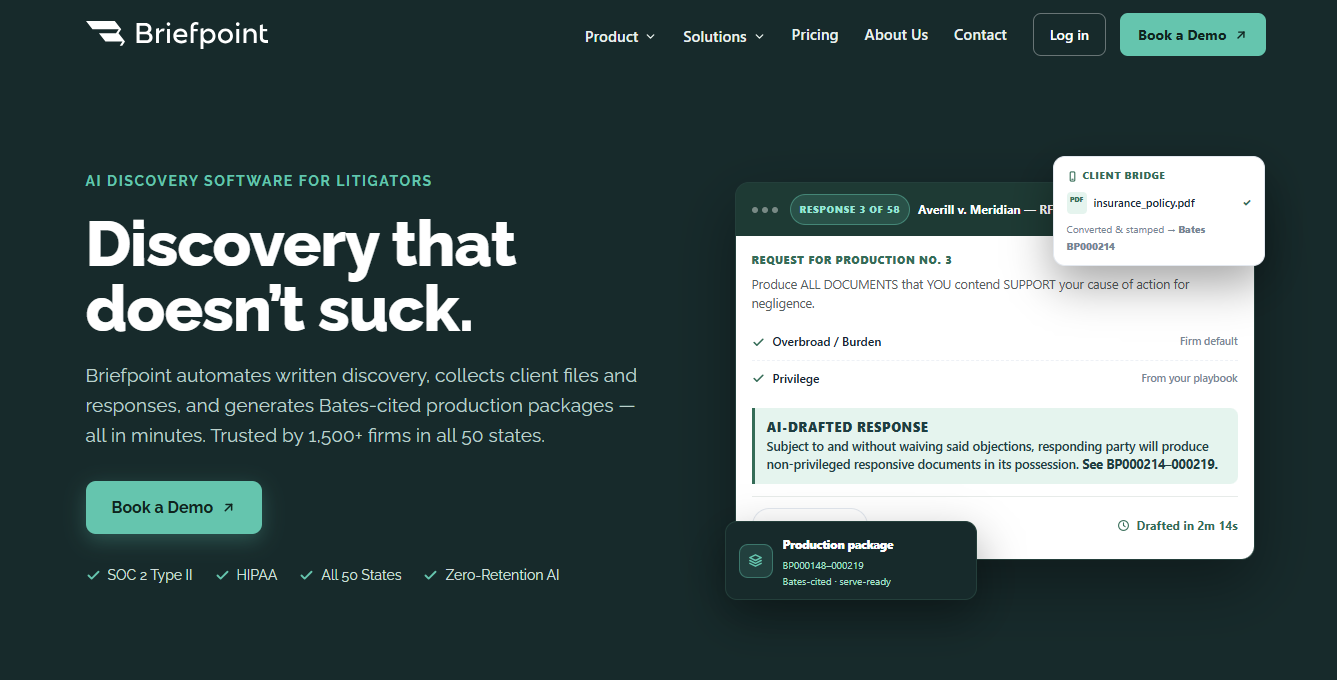
Briefpoint helps cut down the manual work behind written discovery. You can draft and respond to interrogatories, RFAs, and RFPs using objection-aware language formatted for your jurisdiction.
Briefpoint supports all 50 states and 98 federal district courts, with Word-ready drafts that you can review and revise before service.
Client Bridge lets clients answer questions and upload files through a secure link, while Autodoc can identify responsive documents for RFPs and generate Bates-cited responses with a Bates-numbered production package.
Meanwhile, Discovery Playbooks can help keep objection and response strategies consistent from case to case.
Spend less time building discovery documents from scratch and more time on the legal work that needs your judgment.
