7 Best Clio Workflow Automations for Law Firms
What Is Clio Workflow Automation?
Clio workflow automation helps you move routine work forward without handling every step manually. You set a trigger, such as opening a new matter or updating a case status, and either Clio or a connected tool carries out the next action.
You might use automated workflows to assign a task, send a reminder, create a document, or update a matter record. The setup depends on how your firm already works and which parts of the process take up the most time.
For example, once a client signs an intake form, the system could open a matter and alert the assigned attorney.
These small changes make a noticeable difference when your team repeats the same process every day. When you do it correctly, task automation helps you automate repetitive tasks while still keeping control over work that needs legal judgment or a personal response.
7 Clio Workflow Automations Worth Using
Clio can handle a surprising amount of routine work once you connect the right tools and set clear triggers. The following Clio workflow automations can help you cut down on repetitive steps and keep each matter moving:
1. Automate New Client Intake
Client intake can be time-consuming when your team has to do every step of the process manually. A Clio intake workflow can handle much of that setup as soon as a prospective client completes a form or signs an engagement agreement.
You still decide which details need review, but the routine steps can happen automatically. That cuts down on manual data entry and helps new matters start with cleaner, more complete records.
A typical flow might look like this:
- A prospective client submits an intake form
- Their contact details are added to Clio
- A new matter is created using the appropriate template
- The assigned lawyer or staff member receives a task
- The client gets a confirmation or next-step message
Once the workflow is in place, you can automate routine tasks while giving your team more time to focus on case review and speak with the client.
2. Create Tasks From Matter Updates
Matter updates often lead to another piece of work, but someone still has to remember to assign it. Clio workflow automation can turn those updates into tasks automatically, which helps lawyers and staff respond sooner without adding another manual step.
For example, your legal practice management software could create a task when a matter enters a new stage or when a document is uploaded. The task can include a due date, instructions, and the person responsible for completing it.
Common task triggers include:
- Matter stage changes: Create a follow-up task when a case moves from intake to active.
- New document uploads: Assign a review task when a pleading or client file is added.
- Calendar updates: Prompt the assigned legal professionals to prepare before a scheduled event.
- Status changes: Create a closing checklist when a matter is marked resolved.
This setup supports better efficiency because the next action appears at the right point in the workflow, without relying on someone to create it from memory.
3. Generate Routine Legal Documents
Document generation can give your team a strong first draft without rebuilding the same file from scratch. Clio Draft pulls information from the matter and places it into approved document templates, which cuts down on manual effort and keeps the process moving.
Legal teams may use it for documents such as:
- Engagement letters
- Fee agreements
- Client intake forms
- Demand letters
- Discovery documents
- Closing letters
Integrations can expand what this workflow covers. For example, a tool like Briefpoint can connect discovery drafting with the matter information you already manage in Clio, so your team can prepare interrogatories, RFAs, and RFPs without moving between disconnected systems.
The draft still needs a careful review, of course, especially when the language depends on the facts of the case. Even so, having the basic information and formatting already in place can save a meaningful amount of time.
4. Send Appointment and Deadline Reminders
Clio can send reminders based on events already added to your calendar or matter schedule. When a consultation, hearing, filing deadline, or client meeting is entered, the system can trigger a message at a set time before the event.
You control when each reminder goes out and who receives it. A client might get a confirmation several days before an appointment, followed by a shorter reminder the day before. Your team can also receive internal alerts tied to court dates or filing deadlines.
This gives client communication a more reliable rhythm without requiring someone to send every message manually. Plus, it helps your staff stay ahead of the schedule while keeping conflict checks and calendar updates in the same general workflow.
5. Streamline Time Tracking and Billing
Clio can connect time tracking directly to legal billing, which makes it easier to turn completed work into accurate invoices.
Lawyers and staff can record time from a matter or calendar event, then use those entries during the billing process without re-entering the same details.
A few useful billing automations include:
- Time entry reminders: Notify team members when billable work has not been recorded.
- Invoice creation: Build draft invoices from approved time and expense entries.
- Recurring billing: Schedule regular invoices for clients on fixed payment arrangements.
- Payment follow-ups: Send automatic reminders when an invoice is past due.
- Matter-based rules: Apply rates or payment terms based on a client’s specific needs.
Most firms will still review invoices before sending them, but much of the setup can happen automatically. These features reduce manual effort and help your team streamline operations while keeping billing records current.
6. Automate Client Follow-Ups
Client follow-ups can be tied to specific events in Clio, so messages go out when a matter reaches a certain stage or when your team needs information. You decide what triggers the message and how much time should pass before it is sent.
For example, if a client has not returned a requested document after five days, Clio can send a reminder with clear instructions on what to submit. A separate follow-up might go out after a consultation to confirm next steps or request a signature.
These messages help keep clients engaged without asking staff to track every response manually. They can also improve client satisfaction because people receive more consistent communication while their matter is active.
Additionally, automated case updates can let clients know when a filing has been completed or when the next milestone is approaching.
7. Simplify Discovery Drafting
Legal discovery can involve a large volume of similar drafting work, particularly when your team has to move case information between Clio and separate document tools.
A discovery automation integration can connect the matter record to the drafting process, helping your team prepare documents more efficiently.
Common discovery documents include:
- Interrogatories
- Requests for admission
- Requests for production
- Responses and objections
- Production cover documents
For example, Briefpoint integrates with Clio to pull relevant matter details into its document automation workflow. Your team can draft or respond to written discovery, review the language, and return the finished files to the appropriate matter for document management.
Implementation works best when you begin with a familiar discovery process and clearly define who reviews each draft. This gives staff a smooth transition into the new workflow while attorneys retain control over the final document.
Connecting the two platforms also reduces unnecessary file transfers and keeps discovery work closer to the rest of the case record.
How to Build a Clio Workflow Automation
Start with one process your team repeats often and map out what should happen from beginning to end. A new workflow is easier to test when it has a clear trigger and only a few actions.
- Choose the trigger: Pick the event that starts the workflow, such as a lead submitting a form in Clio Grow or a matter changing status in Clio Manage.
- Define the next action: Decide what the system should do, like creating a task, sending a message, or generating a document.
- Assign responsibility: Set who receives the task or reviews the result before the case moves forward.
- Connect the right tools: Use built-in features or add-ons that support your case management process.
- Test with one matter: Run the workflow on a sample file and check that dates, assignments, and messages appear correctly.
- Refine the setup: Remove steps that add little benefit and adjust the timing where needed.
Remember to keep the first version simple. After your team becomes comfortable with it, you can expand the automation to cover more of the process.
Make Clio Work Harder for Your Firm
Clio workflow automation can take routine work off your team’s plate and make everyday processes easier to manage while improving productivity.
The best place to begin is with one workflow that already follows a clear pattern, then expand as your team gets comfortable with the setup.
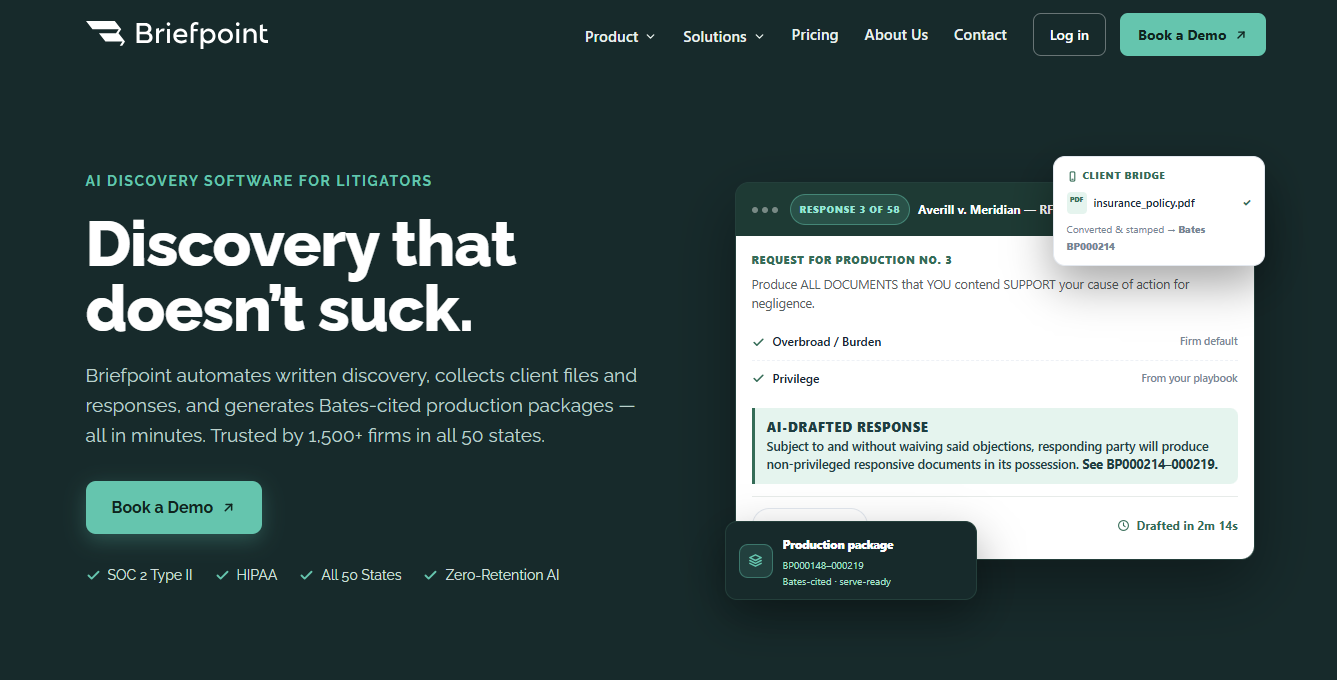
Discovery is a strong candidate because it often involves repetitive drafting and document handling.
Briefpoint integrates with Clio to help you propound and respond to interrogatories, RFAs, and RFPs while keeping matter information connected to the rest of your case workflow.
You can also collect client answers through a secure link, prepare Bates-cited responses, and return completed documents to Clio for review.
Book a demo to see how Briefpoint can bring discovery automation into your Clio workflow.
