Everlaw vs. Relativity: How They Really Compare
What Is Everlaw?
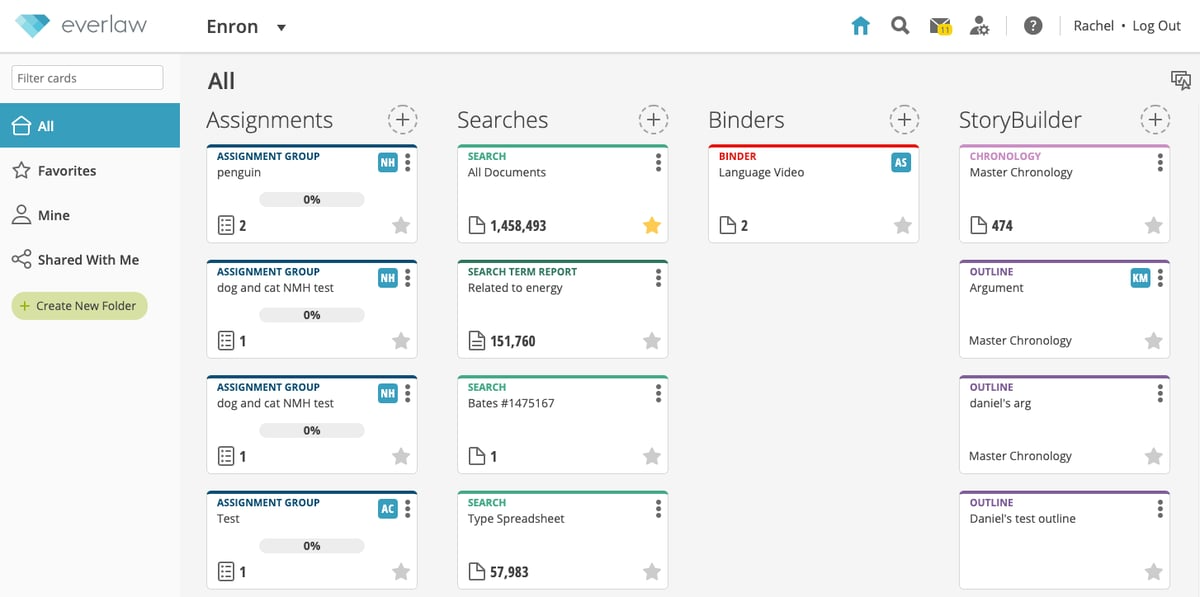
Everlaw is a cloud-based eDiscovery software provider that helps legal teams search, organize, and review large sets of electronic documents in a single platform.
Source: G2
Essentially, it supports the full document review process and gives teams a way to move through big data collections without feeling buried in files.
Many users appreciate that Everlaw feels approachable, runs searches quickly, and offers a layout that doesn’t require weeks of training. In comparisons built on real user data, focused insights, and detailed feature ratings, it often stands out for ease of use and overall review speed.
What Is Relativity?
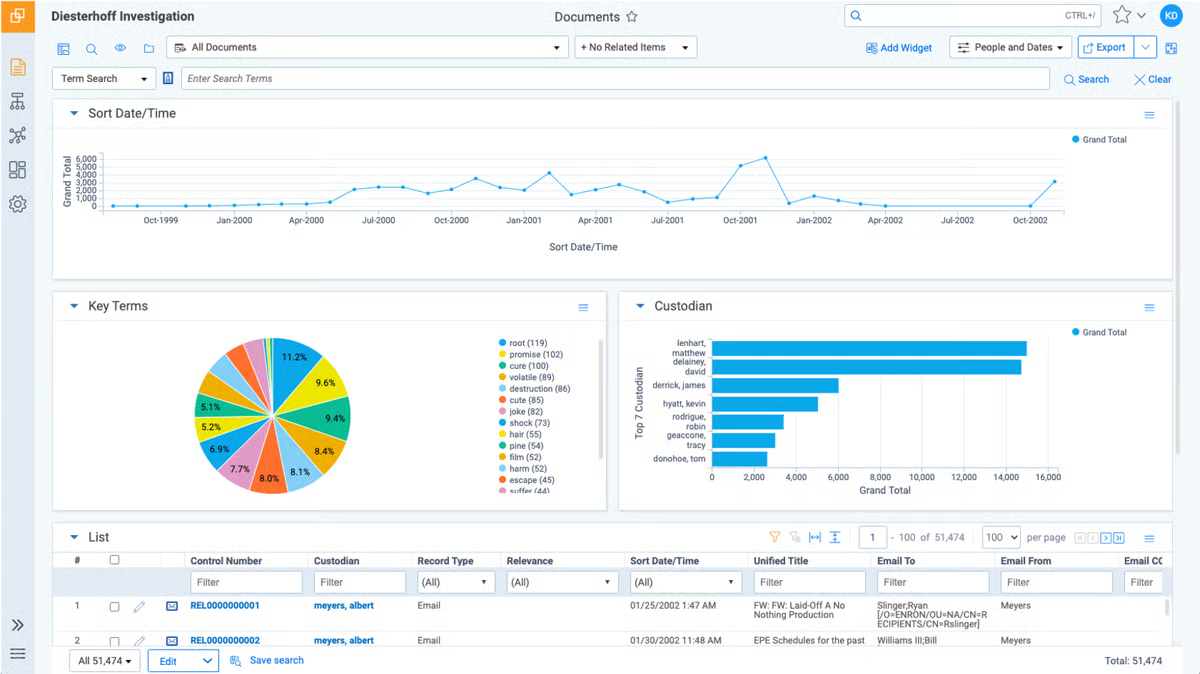
Relativity is one of the most widely known eDiscovery software platforms, often used for large or complex matters that call for advanced search, analytics, and review controls.
The platform gives legal teams a structured way to handle big data collections, run detailed searches, and manage document review from start to finish.
Source: G2
Many organizations rely on Relativity because it supports deep customization and integrates well with existing legal workflows. Reviews that measure user satisfaction often include multiple data points tied to performance, ease of use, and individual vendor capabilities.
Some industry reports even aggregate emotional response ratings to produce a net emotional footprint, which helps understand the overall contract experience created through real usage.
What Is Briefpoint?
Briefpoint is an AI-powered document automation platform built to help litigation teams draft and serve discovery way faster than traditional methods.
It covers the full workflow for propounding and responding to discovery and gives firms a way to surface key elements across large sets of case files without hours of manual review.
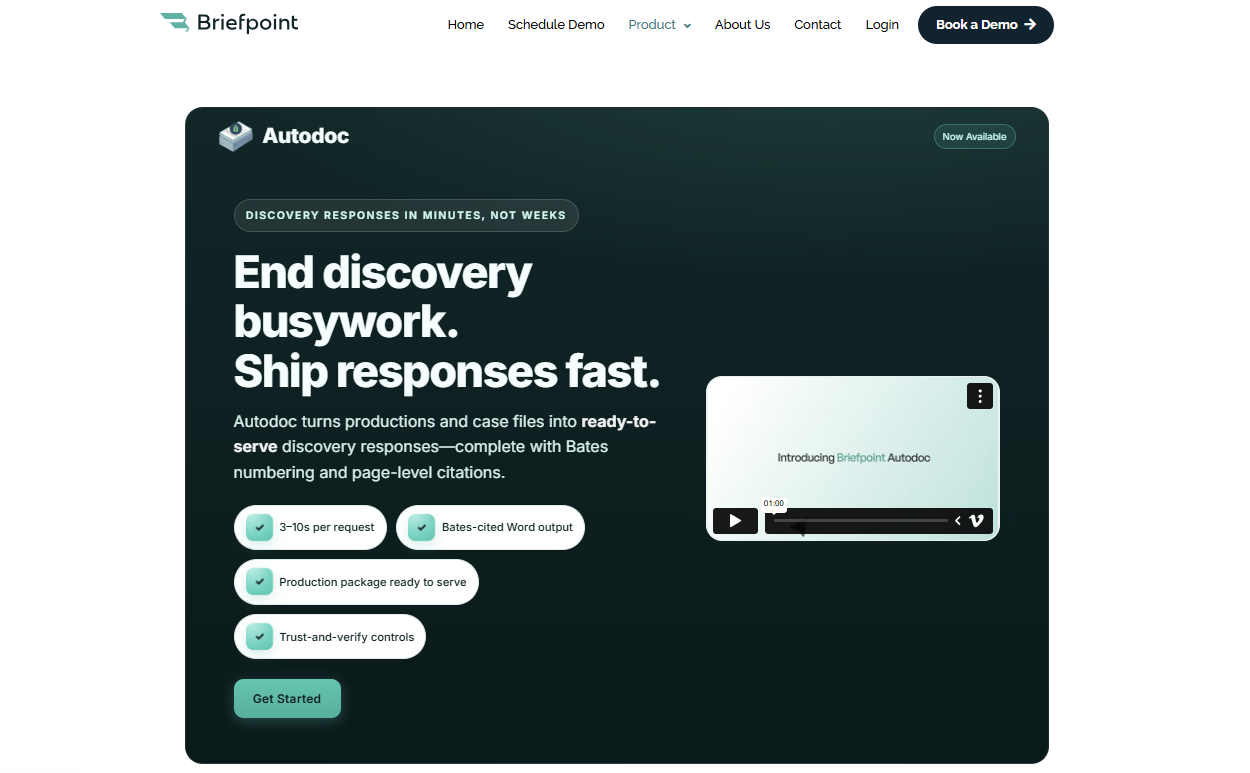
An important element of the platform is Autodoc, Briefpoint’s module that turns productions and case files into fully formatted, Bates-cited discovery responses in minutes. Autodoc handles the heavy lifting that many teams struggle with.
Upload the complaint, requests for production, and case files. Then, the system identifies responsive materials, maps them to each request, and generates Word-ready responses along with a Bates-numbered production package.
The trust-and-verify controls give reviewers clarity into where the tool searched and what it found, which allows teams to work through high-level metrics quickly while keeping full control before service.
Briefpoint as a whole goes beyond single-task automation. It propounds discovery from complaints, drafts objection-aware responses, supports client response collection, and offers a secure, structured workflow that many firms use as their central discovery hub.
Everlaw vs. Relativity vs. Briefpoint: The Key Differences You Should Know
Shopping for discovery tools can feel like a lot, especially when each platform claims to solve the same problems. This quick comparison gives you a clear view of what each one focuses on, so you can decide which direction makes the most sense for your workflow.
Main Purpose
Everlaw, Relativity, and Briefpoint each focus on a different part of the discovery process. That’s why it should be easier to see where they fit once you look at their core goals.
Everlaw centers on fast search, clear organization, and document review. Its main goal is to give legal professionals a way to sort through large data sets without feeling overloaded.
Relativity leans into customization. Teams that need flexible workflows or integrations often choose it because its particular product offerings can support complex, specialized projects.
Briefpoint focuses on drafting, responding, and producing discovery. Its document automation helps firms move from raw case files to finished work product quickly, which creates real business value for anyone who wants fewer manual steps and shorter turnaround times.
This approach saves hours (30+ per case) and produces cleaner deliverables.
Overall, each platform typically delivers benefits in different parts of the workflow, which gives you a straightforward way to decide which potential partners align with your priorities.
Best Features
Here’s a quick look at the strengths each platform brings to the table. This breakdown gives you a simple way to compare what matters most across the three lawyer tools.
Everlaw Best Features
- Fast search across large data sets: Runs quick queries across your entire database to help teams find what they need without delays.
- Visual review tools: Give reviewers a clear path through documents with timelines, notes, and simple navigation.
- Collaboration features: Let teams comment, tag, and share insights to keep everyone aligned.
- User-friendly layout: Designed to lower the learning curve for legal professionals who want clean, simple workflows.
- High-level metrics: Offers reporting that helps teams compare high-level metrics across matters.
Relativity Best Features
- Deep customization: Supports advanced workflows for teams that want to tailor features to case needs.
- Analytics and predictive coding: Helps prioritize legal documents and spot patterns early in review.
- Robust integrations: Works well with other systems used by large organizations.
- Detailed end-user information: Provides activity tracking and logs that support defensible processes.
- Proprietary evaluation methodology: Backed by industry reviews that measure overall user sentiment and long-term satisfaction.
Briefpoint Best Features
- Autodoc for drafting and production: Turns case files into Bates-cited Word responses and production packages in minutes.
- Objection-aware drafting: Generates clean, consistent discovery documents that reduce manual edits.
- Client response collection: Translates interrogatories into plain English so clients answer faster.
- Full eDiscovery workflow: Covers both propounding and responding, which offers more than strong features alone by removing entire steps.
- Significant impact on workload: Cuts hours of manual drafting, which strengthens the vendor-client relationship and simplifies conflict resolution created during busy cases.
- Plain-language client tools: Make client input faster, more accurate, and easier to manage across busy matters.
- Structured verification controls: Shows exactly where Autodoc searched, so teams keep full control before service.
Who It’s Best For
Everlaw works well for teams that want a simple user interface, fast search, and a review environment that feels easy to pick up.
It’s a good fit for firms that want an eDiscovery platform focused on organization and clarity rather than deep customization. If your priority is review efficiency and quick onboarding, Everlaw usually fits that profile.
On the other hand, Relativity suits teams that handle complex matters, need flexibility, or rely on workflows that involve multiple aspects of data management.
Larger firms and litigation groups often choose it because they want a comprehensive overview of case activity and a granular comparison of product effectiveness across different projects.
Basically, many organizations look at Relativity when software satisfaction depends on customization and structured controls.
Briefpoint is ideal for firms that want fast drafting, consistent responses, and a smoother path from raw documents to finished work product. The service experience created through Autodoc appeals to teams that need reliable turnaround times and fewer manual steps.
Briefpoint works especially well for practices that want legal automation across propounding, responding, and client response collection.
If your goal is speed, accuracy, and a tool that completes the work most platforms leave to the user, Briefpoint is often the most practical choice.
Learning Curve and Onboarding
Getting a new platform into your workflow should feel manageable, not overwhelming, so it helps to understand how each tool handles those first few days.
Everlaw is usually the easiest starting point for most legal teams. The layout feels familiar, the core actions are clear, and users often move through the basics without formal training.
Relativity asks for more time and planning. The platform gives you a lot of control, which means onboarding becomes a deeper process. Teams usually benefit from guided setup or internal admins who can configure workspaces and permissions.
This style works best for firms that want power and flexibility and don’t mind a longer path before everything feels natural.
Meanwhile, Briefpoint focuses on quick adoption. Uploads, drafting steps, and Autodoc workflows follow a simple sequence, so new users usually build confidence within minutes.
Many teams describe the customer experience as smooth because they can test real cases almost immediately.
A comprehensive assessment of all three tools shows that onboarding influences user feelings in the early stages, and understanding prior team habits helps you choose a platform that aligns with your expectations for continuous improvement and overall software performance.
What Briefpoint Offers That Everlaw and Relativity Don’t
Each platform brings something different to the table, but the real question is which one actually solves the problems your team deals with every week.
Everlaw helps with straightforward review, and Relativity supports complex, highly customized projects, but neither finishes the legal drafting or production work that usually eats up the most time.
If your goal is faster turnaround, fewer manual steps, and clear work product from the start, Briefpoint stands out as the option that reshapes the entire experience.
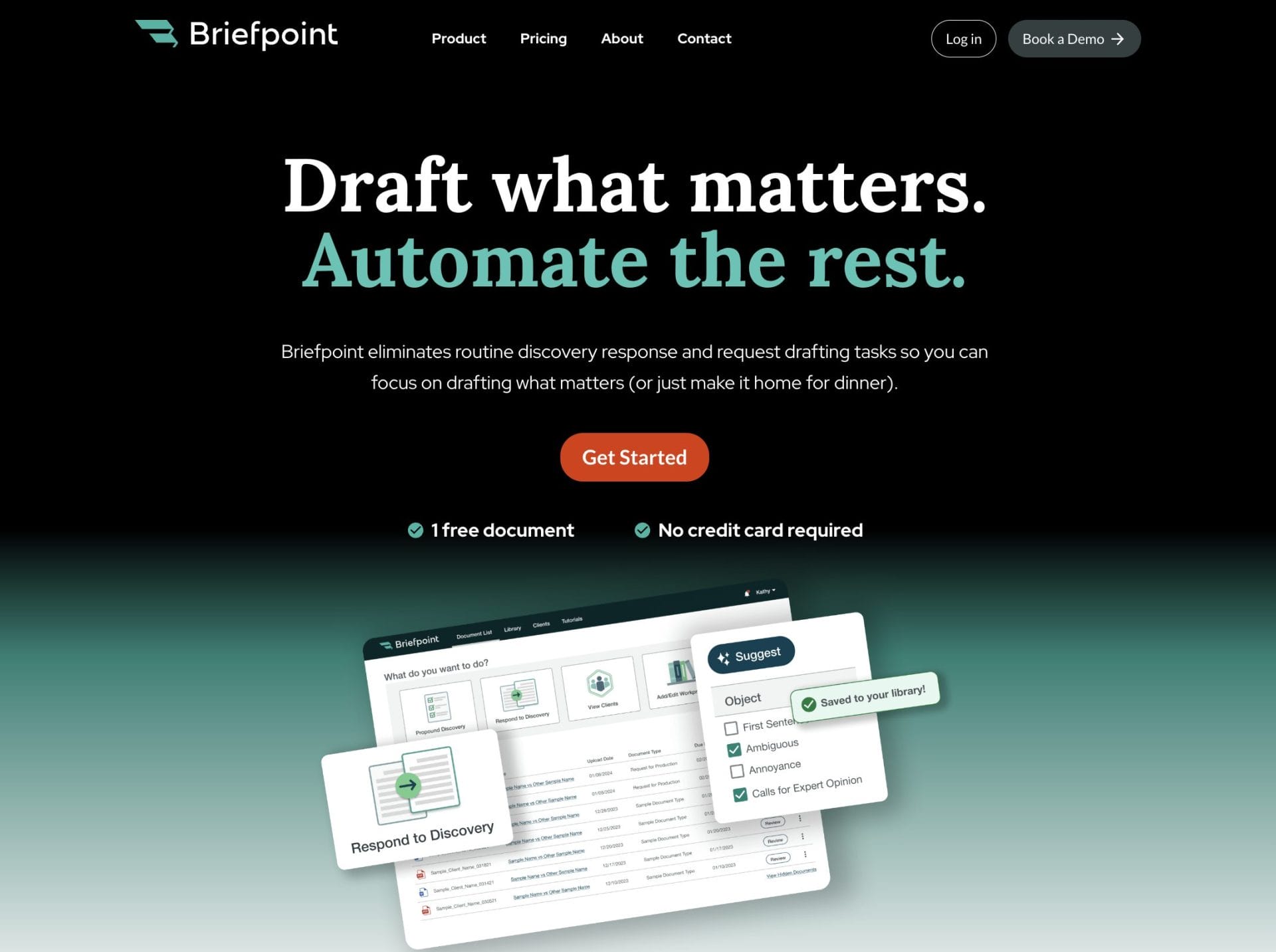
Briefpoint handles the part of discovery most platforms leave behind: getting from raw documents to ready-to-serve responses.
Autodoc, objection-aware drafting, and client response tools give you immediate wins, and the service experience created across the workflow helps teams move faster with less stress.
So ask yourself: which tool gives you time back, not just more features to manage? For many teams, that makes the answer obvious.
Book a demo to see how Briefpoint can support your practice.
